
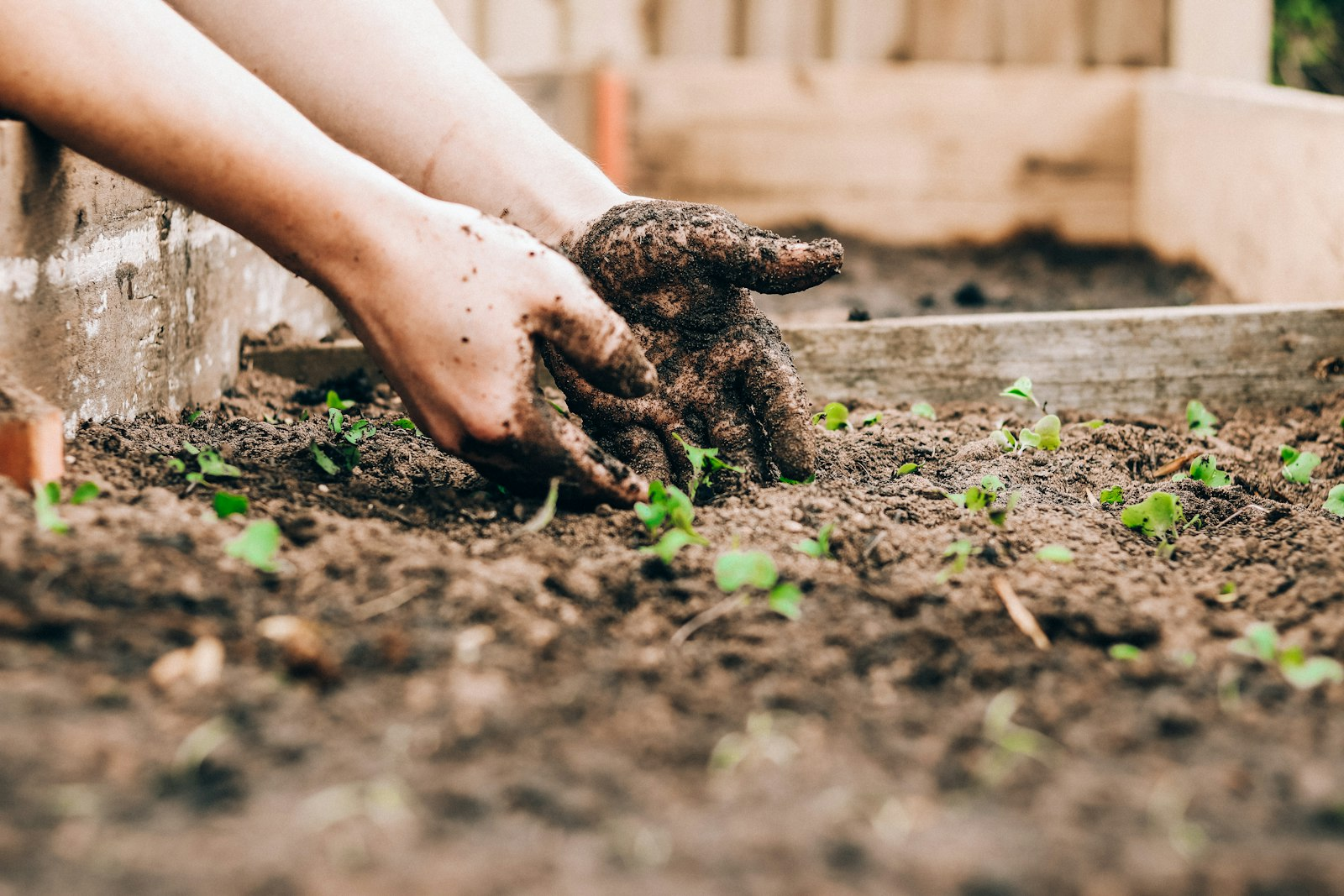
Dig in, slow down, and let the garden do some of the healing.
In today’s fast-paced world, finding effective ways to manage stress is essential for maintaining overall well-being. Gardening, an activity that may seem simple on the surface, offers profound benefits for stress relief and mental health. By engaging with nature through gardening, individuals can experience significant reductions in stress, improved mood, and enhanced overall health. This article explores the myriad ways in which gardening can contribute to stress relief and provides practical tips for incorporating gardening into your life.
1. Gardening Promotes Physical Activity
One of the primary benefits of gardening is that it involves physical activity, which plays a crucial role in managing stress. Gardening activities such as digging, planting, weeding, and watering provide a moderate level of exercise that can help reduce stress hormones like cortisol. Regular physical activity is known to boost endorphin levels, which are natural mood lifters. Engaging in gardening also contributes to overall physical health, improving cardiovascular fitness, strength, and flexibility.
Gardening as a form of exercise is accessible and adaptable to various fitness levels. Whether you are working in a large garden or tending to a few potted plants, the physical effort involved can be beneficial. Additionally, gardening allows you to spend time outdoors, which further enhances its stress-relieving effects through exposure to fresh air and sunlight.
Tips for Incorporating Gardening as Physical Activity
Start Small: Begin with manageable gardening tasks and gradually increase the intensity as you become more comfortable. This approach helps to avoid overexertion and ensures a positive experience.
Mix It Up: Incorporate a variety of gardening tasks to engage different muscle groups and keep the activity interesting. Alternate between planting, weeding, and harvesting to maintain motivation and enjoy the benefits of a full-body workout.
🛒 Enhance your gardening experience with Fiskars Ergo Garden Tools. These tools are designed to reduce strain on your hands and wrists, making gardening more comfortable and enjoyable. Their ergonomic design helps prevent fatigue and injury, allowing you to garden for longer periods.
2. Gardening Encourages Mindfulness and Presence
Gardening provides a unique opportunity to practice mindfulness, which is the act of being fully present and engaged in the moment. As you tend to your garden, you focus on the immediate task at hand, whether it’s planting seeds, nurturing plants, or observing growth. This mindfulness practice helps to shift attention away from stressors and worries, promoting a sense of calm and relaxation. Engaging with nature in this way can reduce anxiety and improve mental clarity.
The repetitive and rhythmic nature of gardening tasks, such as weeding or watering, can induce a meditative state. This state of mindfulness allows you to disconnect from daily stresses and experience a deeper sense of peace. Gardening also provides an opportunity for introspection and personal growth, as you witness the fruits of your labor and reflect on the nurturing process.
Tips for Practicing Mindfulness While Gardening
Focus on Your Senses: Pay attention to the sights, sounds, and smells of your garden. Notice the vibrant colors of flowers, the rustle of leaves, and the fragrance of herbs to enhance your mindfulness experience.
Embrace the Process: Approach gardening tasks with a sense of curiosity and enjoyment, rather than viewing them as chores. Allow yourself to fully engage in each task and appreciate the present moment.
🛒 Make your gardening experience more comfortable with a Garden Kneeler and Seat. This versatile tool provides a cushioned surface for kneeling and a supportive seat for resting. It also includes side pockets for storing tools, making it easier to stay focused and relaxed while gardening.
3. Gardening Provides a Sense of Accomplishment
One of the most rewarding aspects of gardening is the sense of accomplishment that comes from growing and nurturing plants. Seeing your garden flourish and produce flowers, fruits, or vegetables can instill a sense of pride and achievement. This feeling of accomplishment contributes to improved self-esteem and a positive outlook, which can help counteract stress and anxiety.
Gardening also offers tangible results, allowing you to see the direct impact of your efforts. Whether it’s harvesting homegrown produce or enjoying a blooming flower bed, the rewards of gardening provide a sense of purpose and fulfillment. The process of setting and achieving gardening goals further enhances this sense of accomplishment.
Tips for Maximizing Your Sense of Accomplishment in Gardening
Set Achievable Goals: Start with small, manageable gardening projects and gradually work towards larger goals. Achieving these goals will boost your confidence and motivation.
Celebrate Your Successes: Take time to appreciate and celebrate your gardening achievements, no matter how small. Recognize the effort and dedication you’ve put into your garden, and enjoy the rewards.
🛒 Track your gardening progress and accomplishments with a Garden Journal. This journal allows you to record your planting activities, monitor growth, and reflect on your gardening experiences. It’s a valuable tool for celebrating your successes and planning future gardening endeavors.
4. Gardening Encourages Connection with Nature
Gardening fosters a deeper connection with nature, which can have profound effects on stress relief and overall well-being. Spending time in nature has been shown to lower stress levels, improve mood, and enhance cognitive function. By interacting with plants and observing the natural world, you develop a greater appreciation for the environment and its benefits.
Gardening also provides an opportunity to engage with various aspects of nature, such as soil, water, and sunlight. This interaction helps to cultivate a sense of harmony and balance, which contributes to emotional well-being. Additionally, witnessing the growth and transformation of plants can inspire a sense of wonder and awe, further enhancing your connection with nature.
Tips for Deepening Your Connection with Nature Through Gardening
Explore Different Plants: Experiment with a variety of plants, including native species, to experience diverse aspects of nature. Learning about different plants and their ecological roles can deepen your appreciation for the environment.
Practice Sustainable Gardening: Incorporate eco-friendly practices into your gardening routine, such as composting and water conservation. These practices contribute to environmental sustainability and enhance your connection with nature.
🛒 Support sustainable gardening practices with a Composting Bin. This bin allows you to recycle organic waste into nutrient-rich compost for your garden. It’s an eco-friendly way to enrich your soil and contribute to a healthier environment.
5. Gardening Provides Social Interaction
Gardening can also serve as a means of social interaction and community engagement, which are important for stress relief and mental health. Participating in community gardens, gardening clubs, or social gardening events allows you to connect with others who share your passion for gardening. These social interactions can reduce feelings of isolation, build relationships, and provide emotional support.
Gardening with others also offers opportunities for collaboration and learning. Sharing gardening tips, experiences, and successes with fellow gardeners can foster a sense of camaraderie and mutual support. Engaging in group gardening activities can enhance your sense of belonging and contribute to overall well-being.
Tips for Enhancing Social Interaction Through Gardening
Join Gardening Groups: Seek out local gardening clubs, community gardens, or online gardening communities to connect with others and participate in group activities. These groups offer valuable opportunities for social interaction and support.
Host Gardening Events: Organize gardening-related events or workshops in your community to bring people together and share your passion for gardening. Hosting events can strengthen social connections and provide a sense of purpose.
🛒 Find a community garden or gardening club near you to enhance your social gardening experience. Many offer events, workshops, and resources. It’s a great way to connect with other gardening enthusiasts and stay engaged with your gardening community.
6. Gardening Offers a Therapeutic Escape
Gardening provides a therapeutic escape from daily stresses and challenges. Engaging in gardening activities allows you to focus on something positive and fulfilling, providing a break from work-related pressures and personal concerns. This escape can be especially beneficial during times of high stress or emotional difficulty.
The act of gardening offers a sense of control and accomplishment, which can help mitigate feelings of overwhelm and frustration. By immersing yourself in the natural world and the gardening process, you create a personal sanctuary where you can relax and recharge. Gardening also provides a healthy distraction from negative thoughts and helps to foster a positive mindset.
Tips for Using Gardening as a Therapeutic Escape
Create a Relaxing Garden Space: Designate a specific area in your garden for relaxation and reflection. Incorporate comfortable seating, soothing sounds, and calming plants to create a peaceful retreat.
Set Aside Time for Gardening: Make gardening a regular part of your routine, setting aside dedicated time to unwind and enjoy the therapeutic benefits of nature. Consistency helps to maintain a sense of balance and well-being.
🛒 Enhance your garden retreat with an Outdoor Hammock with Stand. This hammock provides a comfortable and relaxing space to enjoy your garden and unwind after gardening tasks. It’s a perfect addition to your garden for relaxation and stress relief.
7. Gardening Supports Healthy Eating
Growing your own fruits, vegetables, and herbs through gardening supports healthy eating habits, which can positively impact stress levels and overall health. Fresh, homegrown produce is often more nutritious and flavorful than store-bought options. Incorporating these healthy foods into your diet contributes to better physical health and can improve your mood and energy levels.
Gardening also encourages a mindful approach to eating. By growing your own food, you gain a greater appreciation for the effort involved in food production and develop a more conscious relationship with your diet. This awareness can lead to healthier eating choices and a greater sense of satisfaction with your meals.
Tips for Growing Your Own Food
Choose Nutrient-Dense Crops: Select fruits, vegetables, and herbs that are rich in essential nutrients and beneficial for overall health. Incorporate a variety of crops to ensure a balanced and nutritious diet.
Practice Harvesting and Preservation: Learn techniques for harvesting and preserving your produce to maximize its shelf life and nutritional value. Proper preservation methods help to reduce food waste and ensure a steady supply of fresh ingredients.
🛒 Start growing your own produce with a Home Grown Garden Starter Kit. This kit includes seeds, soil, and planters to start your garden. It’s an ideal way to begin growing fresh, nutritious food at home.
Grow your calm
- 🌱 Easy on the hands: Fiskars Ergo Garden Trowel
- 🧎 Comfy kneeling: Garden Kneeler and Seat
- 📔 Track your blooms: Clever Fox Garden Journal
- ♻️ Feed your soil: FCMP Outdoor Composter
- 🌿 Start growing: Home Grown Seed Starter Kit
🌿 Free: The Garden-Calm Checklist
Little ways to let gardening melt your stress away. Find it free on our printables page →
Let Your Garden Grow You
Gardening offers a wide range of benefits for stress relief and mental well-being. From promoting physical activity and mindfulness to providing a sense of accomplishment and connection with nature, gardening is a valuable tool for managing stress and enhancing overall health. By incorporating gardening into your routine, you can experience the therapeutic effects of nature and cultivate a greater sense of balance and fulfillment in your life.
Whether you’re a seasoned gardener or new to the activity, embracing gardening as a stress-relief practice can lead to profound improvements in your well-being. By creating a personal garden space, participating in community gardening, and making gardening a regular part of your life, you can harness the numerous benefits of this enriching and rewarding activity.
Sources
Smith, James. “The Therapeutic Benefits of Gardening.” Journal of Mental Health and Well-being, 2021.
Johnson, Karen. “Gardening and Stress Relief: A Comprehensive Review.” International Journal of Stress Management, 2022.
Brown, Emily. “The Impact of Physical Activity on Mental Health.” Health and Wellness Journal, 2023.
Davis, Michael. “Mindfulness Practices in Nature: Enhancing Well-being.” Journal of Nature Therapy, 2023.