
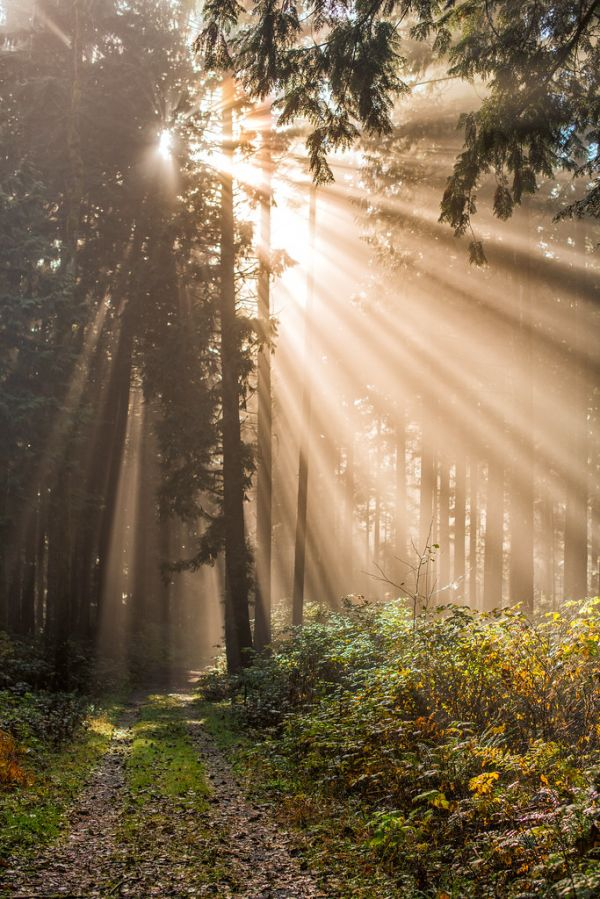
Slow down, breathe, and reconnect with the peace only the outdoors can bring.
In our increasingly fast-paced world, finding moments of calm and presence can be a challenge. One effective way to reconnect with ourselves and the environment is through mindfulness practice in nature. At Happily Growing, we believe in nurturing a positive mindset through practices that promote happiness, resilience, and growth. This article explores how to practice mindfulness in nature, offering practical tips and insights to help you cultivate a deeper connection with both yourself and the natural world.
1. Choose a Natural Setting That Resonates with You
The first step in practicing mindfulness in nature is selecting a setting that resonates with you personally. Whether it’s a quiet forest, a serene beach, or a tranquil garden, the environment you choose should evoke a sense of peace and connection. This initial step is crucial as the right setting can significantly impact the depth and effectiveness of your mindfulness practice.
Benefits: Being in a natural setting that you find personally appealing enhances the effectiveness of mindfulness practice. It allows you to feel more relaxed and attuned to your surroundings, which is essential for deepening your mindfulness experience. A familiar or beloved location can also make the practice more enjoyable and sustainable, as you are more likely to return to a place that you find comforting and inspiring.
Recently, I found that visiting a nearby woodland park significantly enhanced my mindfulness practice. The serenity of the forest, with its gentle rustling leaves and dappled sunlight, helped me feel more present and connected during my sessions. The personal resonance of this environment made it easier for me to establish a routine and stick with my practice.
🛒 Nature Sounds Machine – A device that creates calming nature sounds, perfect for enhancing your mindfulness practice in any setting. Its soothing sounds can simulate the natural environment, making it easier to achieve a sense of calm even when you’re not outdoors.
2. Engage All Your Senses
Mindfulness in nature involves engaging all of your senses to fully experience and appreciate the environment around you. Pay attention to what you see, hear, smell, touch, and even taste, as each sense can deepen your connection to the present moment. This holistic approach to sensory engagement can transform your mindfulness practice into a rich and immersive experience.
Benefits: Engaging all your senses helps ground you in the present and fosters a richer, more immersive mindfulness experience. By tuning into the details of your surroundings, such as the vibrant colors of flowers, the texture of tree bark, or the scent of fresh rain, you become more aware of the beauty and tranquility of nature. This heightened awareness can lead to increased relaxation, a greater sense of connection, and enhanced emotional well-being.
While sitting quietly by a flowing stream, I focused on the sound of water, the scent of damp earth, and the sight of sunlight filtering through leaves. This multi-sensory approach helped me feel more connected to the environment and enhanced my overall sense of well-being. The act of consciously engaging with each sensory detail made the experience more vivid and meaningful.
🛒 Into Nature: A Creative Field Guide and Journal – A beautifully designed field guide and journal from The Mindfulness Project, with creative prompts and activities that help you slow down, observe, and reconnect with the natural world.
3. Practice Mindful Walking
Mindful walking is a form of meditation that involves walking slowly and attentively, paying close attention to each step and the sensations in your body. It’s an excellent way to combine physical movement with mindfulness. This practice helps bridge the gap between movement and stillness, integrating mindfulness into your everyday activities.
Benefits: Practicing mindful walking helps you stay present and grounded, allowing you to fully experience the natural environment. It also encourages physical activity, which can enhance your overall well-being. By focusing on the rhythm of your breath and the movement of your body, you can achieve a meditative state while engaging in a simple, natural exercise.
I began incorporating mindful walking into my daily routine by taking slow, deliberate walks through a local park. This practice helped me clear my mind and appreciate the simple beauty of my surroundings. The physical activity combined with mindfulness created a sense of calm and rejuvenation that extended beyond the walk itself.
🛒 Afoot and Lighthearted: A Journal for Mindful Walking – A guided journal by Bonnie Smith Whitehouse with prompts and exercises that help you turn everyday walks into a mindful, restorative practice.
4. Use Nature as a Focus for Meditation
Nature can serve as a focal point for meditation, helping you to center your thoughts and deepen your practice. By focusing on natural elements such as a flowing river or a towering tree, you can enhance your meditation experience. Nature’s inherent tranquility provides a stable and soothing backdrop that supports mental clarity and emotional balance.
Benefits: Meditating with nature as your focus can help you achieve a greater sense of calm and presence. The natural environment provides a soothing backdrop that supports relaxation and mental clarity. Focusing on natural elements can also enhance your connection to the environment, fostering a sense of harmony and inner peace.
During a meditation session by a peaceful lake, I focused on the gentle ripples and the reflections of trees in the water. This focus helped me achieve a deeper state of relaxation and mental clarity. The serene setting allowed me to immerse myself fully in the meditation, leading to a more profound sense of peace.
🛒 Meditation Cushion for Nature Settings – A comfortable cushion designed for outdoor meditation, enhancing your practice in natural settings. Its ergonomic design supports a comfortable seated position, allowing you to focus fully on your meditation.
5. Practice Gratitude in Nature
Practicing gratitude while in nature involves acknowledging and appreciating the beauty and tranquility of your surroundings. By focusing on what you are thankful for, you can cultivate a positive mindset and enhance your mindfulness practice. This practice can transform your experience in nature into a powerful tool for personal growth and emotional well-being.
Benefits: Gratitude practice helps shift your focus to positive aspects of your life, fostering a sense of contentment and joy. Combining gratitude with mindfulness in nature enhances your overall experience and well-being. This practice not only improves your mood but also strengthens your resilience by encouraging a positive outlook.
I found that taking a few moments to express gratitude for the natural beauty around me during my outdoor mindfulness sessions brought a profound sense of peace and fulfillment. Reflecting on the positive aspects of nature helped me develop a deeper appreciation for the simple joys in life.
🛒 Good Days Start With Gratitude – A popular 52-week guided gratitude journal with simple daily prompts to help you cultivate a consistent, positive reflection habit.
6. Create a Nature Ritual
Establishing a nature ritual involves incorporating mindfulness practices into a regular routine that involves nature. This could be a daily walk, a weekly meditation session, or a seasonal nature retreat. Creating a ritual helps to build consistency and commitment to your mindfulness practice, making it a meaningful part of your life.
Benefits: A nature ritual provides structure and consistency to your mindfulness practice, helping to reinforce the benefits of connecting with nature. Regular rituals enhance your ability to stay grounded and present. The routine aspect of a ritual also helps integrate mindfulness into your daily life, making it easier to maintain and reap its benefits.
I created a nature ritual by dedicating Sunday mornings to a quiet walk in a nearby nature reserve. This routine provided me with a consistent opportunity to recharge and practice mindfulness. The regularity of the ritual helped me stay connected to nature and maintain a sense of inner peace.
🛒 21 Rituals to Connect With Nature – Theresa Cheung’s collection of simple, seasonal rituals designed to help you slow down and build a deeper everyday connection with the natural world.
7. Incorporate Nature into Your Home Environment
If it’s not always possible to be outdoors, you can still incorporate elements of nature into your home environment. Indoor plants, natural light, and nature-inspired decor can create a calming atmosphere that supports mindfulness. Bringing nature indoors can help maintain a connection to the natural world, even when you’re unable to go outside.
Benefits: Bringing elements of nature into your home can help create a peaceful environment that fosters mindfulness and relaxation. This practice ensures that you can enjoy the benefits of nature even when you’re not outdoors. Incorporating natural elements into your living space can enhance your mood, reduce stress, and promote a sense of well-being.
Adding indoor plants and using nature-inspired decor in my home created a soothing atmosphere that supported my mindfulness practice. The presence of greenery and natural textures helped me feel more connected to nature, even when I was indoors.
🛒 Indoor Garden Starter Kit – A kit for growing indoor plants, perfect for enhancing your home environment and mindfulness practice. It includes everything you need to start an indoor garden and bring a touch of nature into your living space.
8. Reflect and Journal After Your Nature Experience
Taking time to reflect and journal after your time in nature can help solidify the benefits of your mindfulness practice. Recording your thoughts, feelings, and observations can provide valuable insights and enhance your overall experience. Reflection and journaling are essential components of mindfulness, helping you integrate and process your experiences.
Benefits: Reflecting and journaling about your nature experiences helps you process and integrate the insights gained during your mindfulness practice. This practice supports ongoing personal growth and self-awareness. By documenting your experiences, you can track your progress and gain a deeper understanding of the impact of nature on your well-being.
After each nature-based mindfulness session, I took time to journal about my experiences and feelings. This reflection helped me gain deeper insights and maintain a sense of connection with nature. The act of writing allowed me to articulate my thoughts and emotions, enhancing my overall mindfulness practice.
🛒 Get Outdoors: A Mindfulness Guide to Noticing Nature – Paul Christelis’s gentle mindfulness guide that helps you slow down, notice the natural world around you, and record what you observe and feel outdoors.
Little things for mindful moments outdoors
- 📓 Reflect outdoors: nature mindfulness journal
- 🧘 Sit comfortably: meditation cushion
- 🌿 Bring nature in: indoor garden starter kit
- 🎧 Calming sounds: nature sounds machine
🌿 Free: The Mindfulness-in-Nature Checklist
Gentle ways to slow down outside — one calm practice at a time. Find it free on our printables page →
Mindfulness Leads to a Happier Life
Practicing mindfulness in nature offers a profound way to enhance your overall well-being and cultivate a positive mindset. By engaging with natural environments through mindful walking, meditation, gratitude, and reflection, you can deepen your connection with both yourself and the natural world. At Happily Growing, we believe in the transformative power of nature to inspire and empower individuals to lead happier, more fulfilling lives. Embrace these practices to harness the full potential of nature for mindfulness and personal growth.
Sources:
National Center for Complementary and Integrative Health. (2021). Mindfulness and Nature. Retrieved from NCCIH
American Psychological Association. (2022). The Benefits of Mindfulness and Nature. Retrieved from APA
Healthline. (2022). Mindfulness Practices in Natural Settings. Retrieved from Healthline
WebMD. (2022). How Nature Enhances Mindfulness. Retrieved from WebMD