
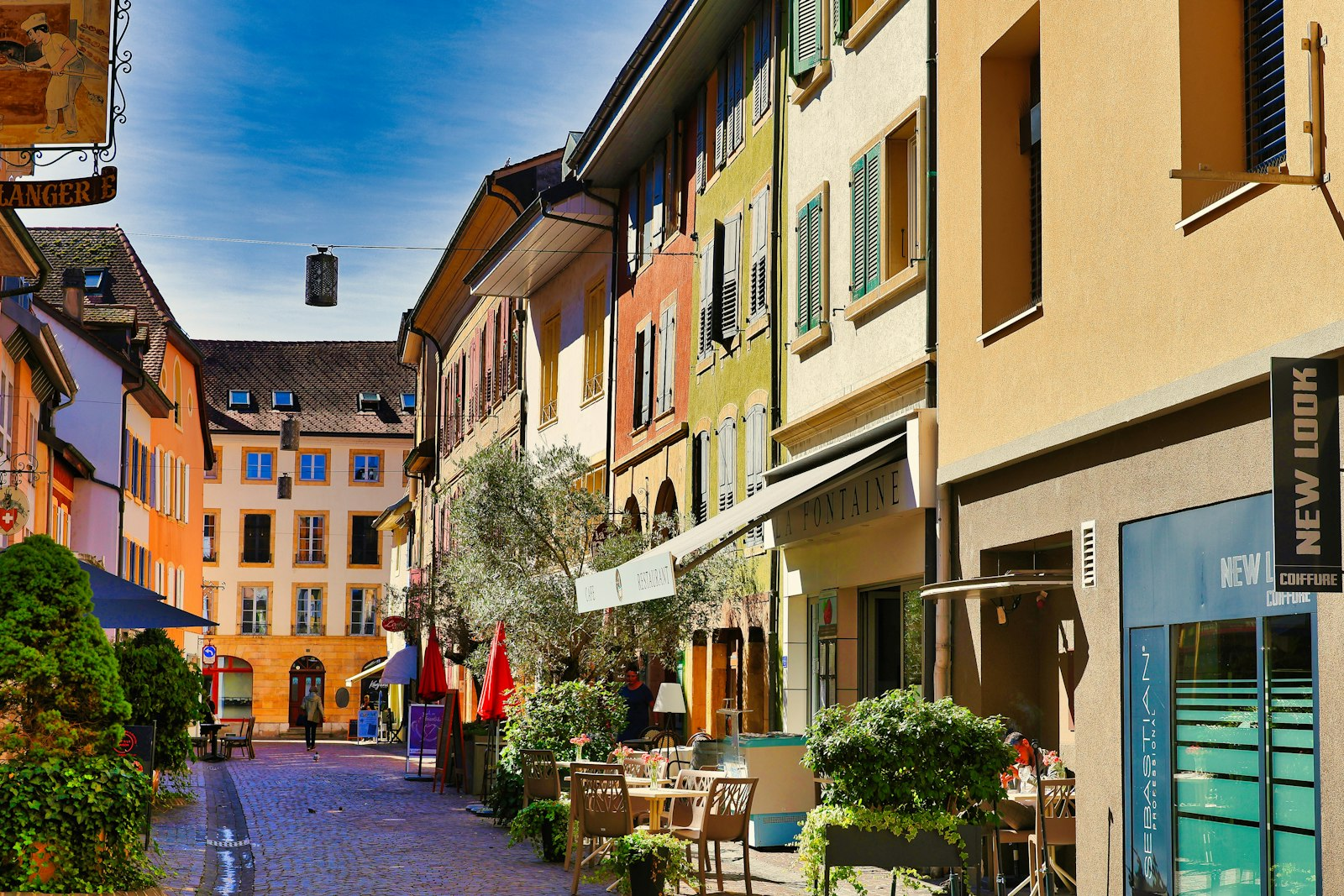
A few words, a friendly smile, and the right tools can open up a whole new world.
Introduction
Traveling abroad opens up a world of exciting opportunities and new experiences, but it can also present challenges, especially when it comes to communicating in a foreign language. The language barrier can be daunting, but with the right strategies and tools, you can navigate it effectively and enhance your travel experience. At Happily Growing, we believe that overcoming language barriers enriches your journey and deepens your connection to new cultures. This guide provides practical tips and insights to help you tackle the language barrier while traveling abroad. Embracing the challenge of learning a new language can also lead to personal growth, increased mental agility, and a more immersive travel experience. Whether you’re ordering food, asking for directions, or engaging with locals, effective communication can transform your trip into a more enriching and enjoyable adventure.
Benefits of Overcoming the Language Barrier
Enhanced Travel Experience
Learning and using the local language, even just a few phrases, can greatly enhance your travel experience. It allows you to connect more deeply with locals, understand cultural nuances, and navigate your surroundings with greater ease. Making an effort to speak the local language often results in positive interactions and memorable experiences. Additionally, it opens up opportunities to discover hidden gems and off-the-beaten-path locations that you might otherwise miss. By speaking the local language, you show respect for the culture, which can lead to more genuine and warm interactions.
🛒 The Lonely Planet Spanish Phrasebook & Dictionary provides essential phrases and vocabulary for travelers, helping you communicate more effectively in a foreign language.
Building Connections
Communicating in the local language helps build connections with people you meet on your travels. It shows respect for their culture and can lead to more meaningful conversations and friendships. These connections can provide insights into local life and open doors to unique experiences. Moreover, establishing these relationships can offer you a deeper understanding of the cultural context and traditions, enriching your overall travel experience. Engaging with locals in their language often results in invitations to local events or gatherings, providing an authentic glimpse into their way of life.
🛒 Duolingo offers interactive language lessons and practice exercises, making it easier to learn and use a new language on the go.
Boosting Confidence
Overcoming the language barrier boosts your confidence and encourages you to step out of your comfort zone. Successfully navigating conversations in a foreign language can be incredibly rewarding and gives you a sense of accomplishment. This confidence can carry over into other aspects of your travels, making you more adventurous and open to new experiences. The skills you develop in learning a new language can also enhance your problem-solving abilities and adaptability, which are valuable in both travel and daily life.
🛒 This Vocabulary Notebook provides space for practicing vocabulary, phrases, and notes, helping you track your progress and build confidence.
Tips for Tackling the Language Barrier
Learn Basic Phrases
Before your trip, take some time to learn basic phrases in the local language. Focus on greetings, common expressions, and essential questions related to directions, dining, and shopping. Knowing these basics can go a long way in helping you communicate and navigate daily interactions. Practicing these phrases regularly before your trip can help reinforce your memory and pronunciation, making you more comfortable using them in real-life situations. Additionally, learning polite phrases and cultural norms related to communication can enhance your interactions with locals.
🛒 Lonely Planet Fast Talk Spanish covers basic phrases and vocabulary for travelers, making it a handy resource for quick reference.
Use Translation Apps
Translation apps are invaluable tools for overcoming the language barrier. Apps like Google Translate can translate text, voice, and even images in real-time, making it easier to communicate and understand written signs and menus. These apps can be lifesavers in situations where language proficiency is limited. Additionally, many translation apps offer offline capabilities, which are particularly useful in areas with limited internet access. Regularly updating these apps ensures you have the latest language data and features.
🛒 Google Translate provides real-time translation for text, voice, and images, helping you overcome language barriers quickly and easily.
Carry a Phrasebook
A phrasebook is a practical and reliable tool to have on hand. It provides useful phrases and vocabulary organized by categories, making it easy to find what you need quickly. Phrasebooks are especially useful in areas with limited internet access where translation apps may not work. Having a physical book can also serve as a backup if your electronic devices run out of battery. Phrasebooks often include pronunciation guides, which can be very helpful in ensuring that you’re understood by locals.
🛒 The compact Lonely Planet Fast Talk Italian Phrasebook covers essential phrases and vocabulary for travelers, organized by categories for easy access.
Practice Non-Verbal Communication
Non-verbal communication, such as gestures, facial expressions, and body language, can convey a lot of information when words fail. Be mindful of cultural differences in non-verbal communication and use gestures to complement your spoken words. This can help bridge the gap and make interactions smoother. Understanding common gestures and their meanings in different cultures can prevent misunderstandings and help you communicate more effectively. Additionally, maintaining positive body language and a friendly demeanor can make interactions more pleasant and successful.
🛒 The Definitive Book of Body Language provides insights into non-verbal communication and cultural differences, helping you use gestures effectively while traveling.
Use Visual Aids
Visual aids like maps, pictures, and drawings can be incredibly helpful in overcoming language barriers. When words aren’t enough, pointing to a picture or showing a map can clarify your message and make communication easier. Carry a small notebook for sketches and notes to use as visual aids. These tools can be particularly useful in restaurants, shops, and when asking for directions. Visual aids can also help you learn new words and phrases by associating them with images.
🛒 The Leuchtturm1917 A5 Notebook is perfect for jotting down notes, sketches, and visual aids, making it a versatile tool for overcoming language barriers.
Cultural Sensitivity
Be Patient and Respectful
Patience and respect are key when dealing with language barriers. Understand that communication may take longer and require more effort. Be patient with yourself and others, and always approach interactions with a respectful attitude. This fosters positive exchanges and shows appreciation for the local culture. Acknowledge the effort locals make to understand and help you, and express gratitude for their assistance. Cultivating a patient and respectful mindset can lead to more rewarding and enjoyable interactions.
🛒 Kiss, Bow, or Shake Hands offers tips on cultural sensitivity and etiquette, helping you navigate interactions with respect and understanding.
Learn About Local Customs
Familiarize yourself with local customs and etiquette related to communication. This includes understanding the appropriate way to greet people, gestures to avoid, and polite expressions. Being aware of these cultural nuances can prevent misunderstandings and show respect for local traditions. Understanding local customs can also enhance your travel experience by allowing you to engage more deeply with the culture. Participating in local customs and traditions can create memorable experiences and foster positive relationships with locals.
🛒 The Culture Map by Erin Meyer provides insights into the customs and communication styles of various cultures, ensuring you navigate interactions respectfully.
Real-Life Experiences
Navigating Spain
Lisa, a solo traveler, shares her experience of tackling the language barrier in Spain. “Before my trip, I used a language learning app to practice basic Spanish phrases. While in Spain, I relied on Google Translate and a phrasebook for more complex conversations. I also used gestures and pictures to communicate. These tools, combined with patience and a positive attitude, made my interactions with locals enjoyable and rewarding.” Lisa’s experience highlights the importance of preparation and a proactive approach to overcoming language barriers. Her efforts to learn the language and use various tools enriched her travel experience and allowed her to connect more deeply with the local culture.
Exploring Japan
John, who traveled with his family to Japan, recounts his experience. “We knew very little Japanese before our trip, so we made sure to learn basic greetings and phrases. We used a translation app for more detailed conversations and carried a notebook for drawing pictures when needed. The locals appreciated our efforts, and we found that non-verbal communication and a smile went a long way. It was a wonderful learning experience for the whole family.” John’s story demonstrates how a combination of tools and a willingness to learn can make navigating a new language more manageable. His family’s approach fostered positive interactions and memorable experiences.
Talk your way around the world
- 🗣️ Pocket phrases: Lonely Planet Fast Talk Spanish
- 📘 Go deeper: Lonely Planet Spanish Phrasebook & Dictionary
- ✍️ Sketch & note: Leuchtturm1917 A5 Notebook
- 🤝 Mind your manners: Kiss, Bow, or Shake Hands
- 🌐 Read the room: The Culture Map
🌿 Free: The Language-Barrier Checklist
Get ready to connect — even when you don’t speak the language. Find it free on our printables page →
Speak, Connect, Grow
Tackling the language barrier when traveling abroad may seem daunting, but with the right strategies and tools, it becomes manageable and even enjoyable. Learning basic phrases, using translation apps and phrasebooks, and practicing non-verbal communication can significantly enhance your travel experience. At Happily Growing, we believe that overcoming language barriers not only facilitates smoother travels but also deepens your connection to the places and people you encounter. Embrace the challenge, be patient, and enjoy the enriching experiences that come with navigating a new language and culture. By approaching language barriers with a positive mindset and a willingness to learn, you can transform your travel experience and create lasting memories.
Sources
Parents Magazine. (2021). Tips for Overcoming Language Barriers When Traveling. Retrieved from Parents Magazine
National Geographic Travel. (2021). How to Navigate Language Barriers Abroad. Retrieved from National Geographic
Travel + Leisure. (2021). Best Tools for Overcoming Language Barriers. Retrieved from Travel + Leisure
American Academy of Pediatrics. (2021). Traveling with Kids: Language and Communication Tips. Retrieved from AAP
Lonely Planet. (2021). The Ultimate Guide to Language Barriers While Traveling. Retrieved from Lonely Planet
Duolingo. (2021). Language Learning for Travelers. Retrieved from Duolingo