
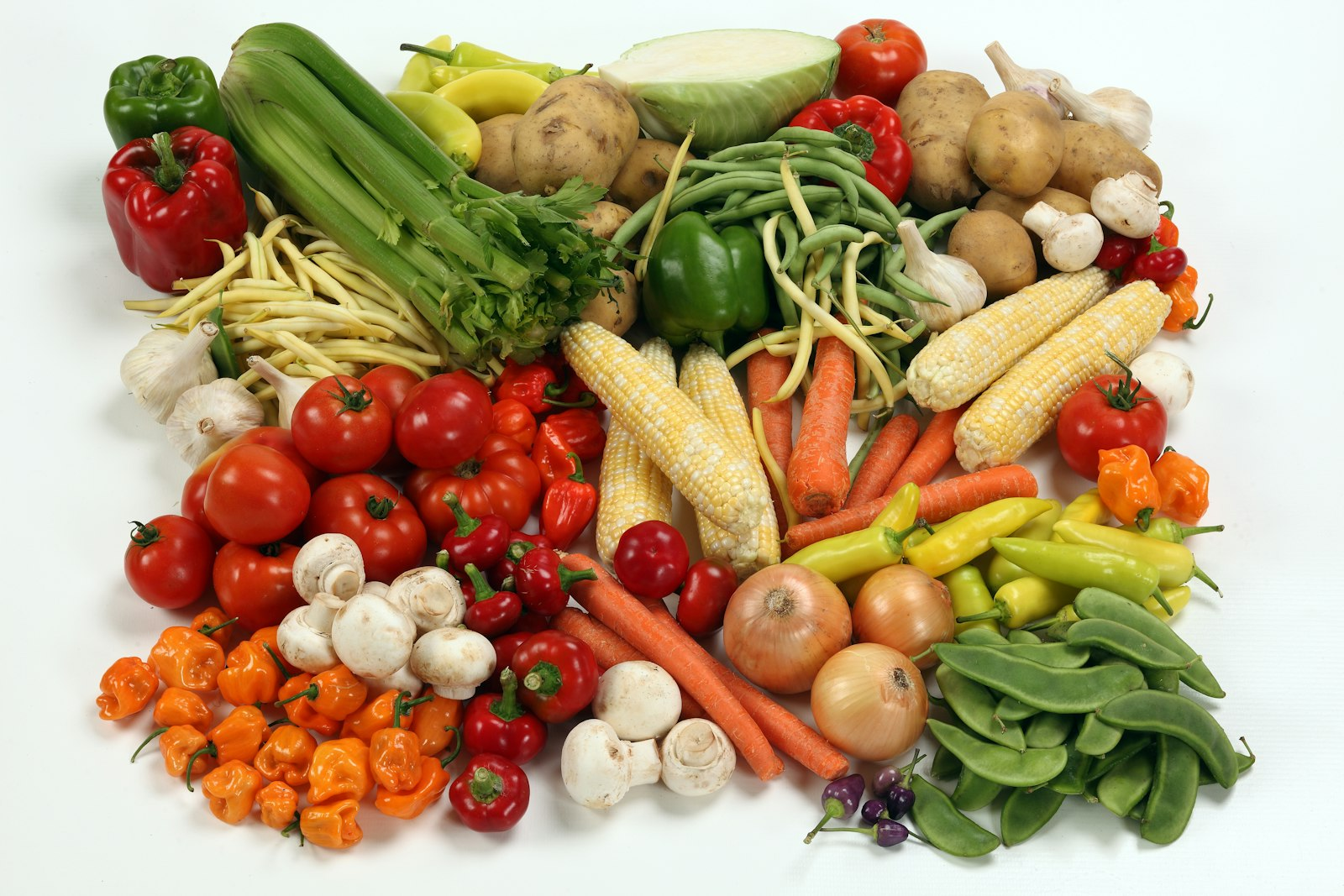
Everything you need to ease into plant-based eating — one delicious, doable step at a time.
Switching to a plant-based diet is a significant lifestyle change that can offer numerous health benefits, environmental advantages, and ethical considerations. This comprehensive guide will walk you through the basics of plant-based diets, their benefits, and practical tips on how to start your journey. With a wealth of information, citations from credible sources, and helpful affiliate links, you’ll have everything you need to make a successful transition to a plant-based diet.
What is a Plant-Based Diet?
A plant-based diet primarily focuses on foods derived from plants, including vegetables, fruits, nuts, seeds, oils, whole grains, legumes, and beans. It minimizes or eliminates animal products such as meat, dairy, and eggs. There are various interpretations of plant-based diets, ranging from fully vegan (no animal products) to more flexible approaches that include occasional animal products.
Types of Plant-Based Diets
Vegan: Excludes all animal products, including meat, dairy, eggs, and honey.
Vegetarian: Excludes meat but may include dairy and eggs.
Pescatarian: Excludes meat but includes fish and seafood.
Flexitarian: Primarily plant-based but includes occasional meat and animal products.
Whole Food Plant-Based: Focuses on whole, unprocessed plant foods and excludes refined foods like white flour and added sugars.
Benefits of a Plant-Based Diet
1. Health Benefits
Cardiovascular Health: A plant-based diet is rich in fiber, antioxidants, and healthy fats, which can lower cholesterol levels and reduce the risk of heart disease. According to a study published in the Journal of the American Heart Association, plant-based diets are associated with a lower risk of cardiovascular disease and mortality.
Weight Management: Plant-based diets are typically lower in calories and higher in fiber, which can help with weight loss and maintenance. A study in the Journal of General Internal Medicine found that individuals on a plant-based diet tend to have lower body mass indexes (BMIs) compared to those on non-plant-based diets.
Diabetes Management: A plant-based diet can improve insulin sensitivity and reduce the risk of type 2 diabetes. Research published in PLOS Medicine showed that plant-based diets are associated with a significantly lower risk of developing type 2 diabetes.
Cancer Prevention: Certain plant foods contain phytochemicals and antioxidants that may reduce the risk of cancer. The American Institute for Cancer Research recommends a plant-based diet as part of a cancer prevention strategy.
Improved Digestion: High fiber intake from plant foods promotes healthy digestion and prevents constipation. According to the Mayo Clinic, dietary fiber found in plants helps maintain bowel health and lowers the risk of developing hemorrhoids and diverticular disease.
2. Environmental Benefits
Reduced Carbon Footprint: Plant-based diets have a lower environmental impact compared to diets high in animal products. A study published in Science found that plant-based diets could reduce greenhouse gas emissions by up to 73%.
Conservation of Resources: Producing plant-based foods typically requires fewer natural resources such as water and land. The Water Footprint Network reports that the water footprint of plant-based foods is generally lower than that of animal-based foods.
Reduced Pollution: Animal agriculture is a significant source of water and air pollution. Transitioning to a plant-based diet can help reduce the pollution associated with livestock farming.
3. Ethical Benefits
Animal Welfare: A plant-based diet reduces the demand for animal products, which can decrease the suffering and exploitation of animals in factory farms.
Sustainable Living: Choosing plant-based foods supports sustainable agriculture practices and promotes a more humane treatment of animals.
How to Start a Plant-Based Diet
1. Educate Yourself
Understanding the principles of a plant-based diet is the first step. Read books, watch documentaries, and follow reputable websites and influencers who advocate for plant-based living. Some recommended resources include:
Books: “How Not to Die” by Dr. Michael Greger, “The China Study” by T. Colin Campbell, and “Forks Over Knives: The Plant-Based Way to Health” by Gene Stone and Dr. T. Colin Campbell.
Documentaries: “Forks Over Knives,” “What the Health,” and “The Game Changers.”
Websites: NutritionFacts.org, Plant-Based News, and Forks Over Knives.
2. Plan Your Transition
Transitioning to a plant-based diet can be gradual. Start by incorporating more plant-based meals into your diet and gradually reducing animal products.
Meatless Mondays: Begin with one plant-based day a week and gradually increase.
Plant-Based Swaps: Replace animal products with plant-based alternatives, such as almond milk instead of cow’s milk or tofu instead of chicken.
Balanced Meals: Ensure your meals are balanced with a variety of vegetables, fruits, whole grains, and plant-based proteins.
🛒 Forks Over Knives Meal Planner – A comprehensive meal planning tool to help you create delicious plant-based meals.
3. Stock Your Kitchen
Having a well-stocked kitchen with plant-based essentials makes it easier to prepare healthy meals.
Whole Grains: Brown rice, quinoa, oats, barley, and whole wheat pasta.
Legumes: Lentils, chickpeas, black beans, and kidney beans.
Nuts and Seeds: Almonds, walnuts, chia seeds, flaxseeds, and hemp seeds.
Healthy Fats: Olive oil, avocado oil, coconut oil, and nut butters.
Spices and Herbs: Turmeric, cumin, paprika, garlic powder, basil, oregano, and rosemary.
🛒 Viva Naturals Organic Chia Seeds – A nutritious addition to smoothies, oatmeal, and baking.
4. Learn to Cook Plant-Based Meals
Cooking at home allows you to control the ingredients and experiment with new flavors. Start with simple recipes and gradually try more complex dishes.
Batch Cooking: Prepare large batches of grains, beans, and vegetables to save time during the week.
Flavor Enhancers: Use herbs, spices, and condiments to enhance the flavor of your meals.
Variety: Experiment with different cuisines, such as Mediterranean, Indian, and Asian, to keep your meals interesting.
🛒 Instant Pot Duo 7-in-1 Electric Pressure Cooker – A versatile kitchen appliance perfect for preparing plant-based meals.
5. Find Plant-Based Substitutes
There are many plant-based substitutes available for traditional animal products. These alternatives can make the transition easier and satisfy your cravings.
Milk: Almond milk, soy milk, oat milk, and coconut milk.
Meat: Tofu, tempeh, seitan, and jackfruit.
Cheese: Nutritional yeast, cashew cheese, and store-bought vegan cheese.
Eggs: Flaxseed or chia seed eggs, tofu scramble, and store-bought egg replacers.
🛒 Bragg Nutritional Yeast – A cheesy, nutty-flavored seasoning perfect for adding to plant-based dishes.
6. Eat Out Smartly
Eating out on a plant-based diet can be challenging, but many restaurants now offer plant-based options. Plan ahead and choose restaurants that cater to plant-based diets.
Research Menus: Look at restaurant menus online before you go out to see what plant-based options are available.
Ask for Modifications: Don’t hesitate to ask the server if dishes can be modified to be plant-based.
Ethnic Restaurants: Explore cuisines like Indian, Thai, and Middle Eastern, which often have plant-based dishes.
🛒 HappyCow App – An app that helps you find plant-based restaurants and cafes near you.
7. Supplement Wisely
While a well-planned plant-based diet can provide most nutrients, some supplements may be necessary to ensure you meet all your nutritional needs.
Vitamin B12: Essential for nerve function and found naturally in animal products. A B12 supplement is recommended for those on a plant-based diet.
Vitamin D: Important for bone health and immune function. Consider a supplement, especially in winter months or if you have limited sun exposure.
Omega-3 Fatty Acids: Found in flaxseeds, chia seeds, and walnuts, but a supplement like algae oil can ensure adequate intake.
Iron: Plant-based sources of iron include beans, lentils, and spinach. Pairing these with vitamin C-rich foods can enhance absorption.
🛒 Garden of Life Vitamin Code Raw B-12 – A high-quality B12 supplement suitable for vegans.
Delicious Plant-Based Recipes
Here are some delicious and easy-to-make plant-based recipes to get you started:
Vegan Lentil Soup
Ingredients: 1 cup lentils; 1 onion, diced; 2 carrots, diced; 2 celery stalks, diced; 3 garlic cloves, minced; 1 can diced tomatoes; 6 cups vegetable broth; 1 teaspoon cumin; 1 teaspoon paprika; salt and pepper to taste; fresh parsley for garnish.
Instructions: In a large pot, sauté onion, carrots, and celery until softened. Add garlic, cumin, and paprika, and cook for another minute. Add lentils, diced tomatoes, and vegetable broth. Bring to a boil. Reduce heat and simmer for 30 minutes or until lentils are tender. Season with salt and pepper. Garnish with fresh parsley before serving.
🛒 All-Clad D3 Stainless Steel Stockpot – A durable stockpot perfect for making soups and stews.
Quinoa Salad with Chickpeas and Avocado
Ingredients: 1 cup quinoa, cooked and cooled; 1 can chickpeas, drained and rinsed; 1 avocado, diced; 1 cup cherry tomatoes, halved; 1 cucumber, diced; 1/4 cup red onion, finely chopped; 2 tablespoons olive oil; 1 tablespoon lemon juice; salt and pepper to taste; fresh parsley for garnish.
Instructions: In a large bowl, combine quinoa, chickpeas, avocado, cherry tomatoes, cucumber, and red onion. Drizzle with olive oil and lemon juice. Toss to combine. Season with salt and pepper. Garnish with fresh parsley before serving.
🛒 OXO Good Grips Salad Spinner – A handy tool for washing and drying salad greens.
Tofu Stir-Fry
Ingredients: 1 block firm tofu, drained and cubed; 2 tablespoons soy sauce; 1 tablespoon sesame oil; 1 red bell pepper, sliced; 1 broccoli head, cut into florets; 2 carrots, sliced; 1 cup snap peas; 2 garlic cloves, minced; 1 tablespoon ginger, grated; 2 tablespoons vegetable oil; cooked brown rice for serving; sesame seeds for garnish.
Instructions: In a bowl, marinate tofu with soy sauce and sesame oil for 15 minutes. In a large skillet, heat vegetable oil over medium heat. Add garlic and ginger, and sauté until fragrant. Add tofu and cook until browned on all sides. Remove from skillet and set aside. Add bell pepper, broccoli, carrots, and snap peas to the skillet. Stir-fry until vegetables are tender. Return tofu to the skillet and toss to combine. Serve over cooked brown rice and garnish with sesame seeds.
🛒 T-fal Ultimate Hard Anodized Nonstick Fry Pan – A nonstick skillet perfect for stir-frying vegetables and tofu.
Frequently Asked Questions (FAQs)
Q: Is a plant-based diet suitable for everyone? A: While a plant-based diet can be beneficial for most people, it’s important to consult with a healthcare professional before making significant dietary changes, especially for individuals with specific health conditions or nutritional needs.
Q: How can I ensure I’m getting enough protein on a plant-based diet? A: Plant-based sources of protein include beans, lentils, tofu, tempeh, quinoa, nuts, seeds, and whole grains. Incorporating a variety of these foods into your diet can help you meet your protein needs.
Q: What are some common challenges of transitioning to a plant-based diet? A: Common challenges include finding plant-based alternatives, dealing with cravings for animal products, and ensuring balanced nutrition. Planning, education, and gradual changes can help overcome these challenges.
Q: Can I get enough calcium on a plant-based diet? A: Yes, you can get enough calcium from plant-based sources such as fortified plant milks, tofu, almonds, chia seeds, and leafy greens like kale and bok choy.
Q: Are plant-based diets more expensive? A: Plant-based diets can be cost-effective, especially when focusing on whole foods like beans, lentils, grains, and seasonal vegetables. Planning meals and buying in bulk can also help reduce costs.
Your plant-based starter kit
- 🍲 Cook it fast: Instant Pot Duo 7-in-1
- 🌱 Pantry power: Viva Naturals Organic Chia Seeds
- 🧀 Cheesy flavor: Bragg Nutritional Yeast
- 💊 Fill the gap: Garden of Life Vitamin Code Raw B-12
- 🥗 Fresh salads: OXO Good Grips Salad Spinner
🌿 Free: The Plant-Based Starter Checklist
Simple first steps to ease into plant-based eating. Find it free on our printables page →
Grow Into Plant-Based Living
Transitioning to a plant-based diet can offer numerous health benefits, environmental advantages, and ethical considerations. By educating yourself, planning your transition, stocking your kitchen, learning to cook plant-based meals, finding substitutes, eating out smartly, supplementing wisely, and trying delicious recipes, you can successfully adopt a plant-based lifestyle.
Start making small changes today and experience the positive impact of a plant-based diet on your health and well-being. Remember, the key to success is making sustainable changes that you can maintain over the long term.
By incorporating these tips and utilizing the resources provided, you can create a healthy, balanced, and enjoyable plant-based diet that supports your overall well-being.
Sources
Journal of the American Heart Association. “Association Between Plant-Based Diets and Cardiovascular Risk.”
Journal of General Internal Medicine. “Plant-Based Diets and Weight Management.” Retrieved from JGIM
PLOS Medicine. “Plant-Based Diets and the Risk of Type 2 Diabetes.”
American Institute for Cancer Research. “Diet, Nutrition, Physical Activity and Cancer: A Global Perspective.”
Mayo Clinic. “Dietary Fiber: Essential for a Healthy Diet.” Retrieved from Mayo Clinic
Science. “Reducing Food’s Environmental Impacts through Producers and Consumers.”
Water Footprint Network. “Product Water Footprints.”