
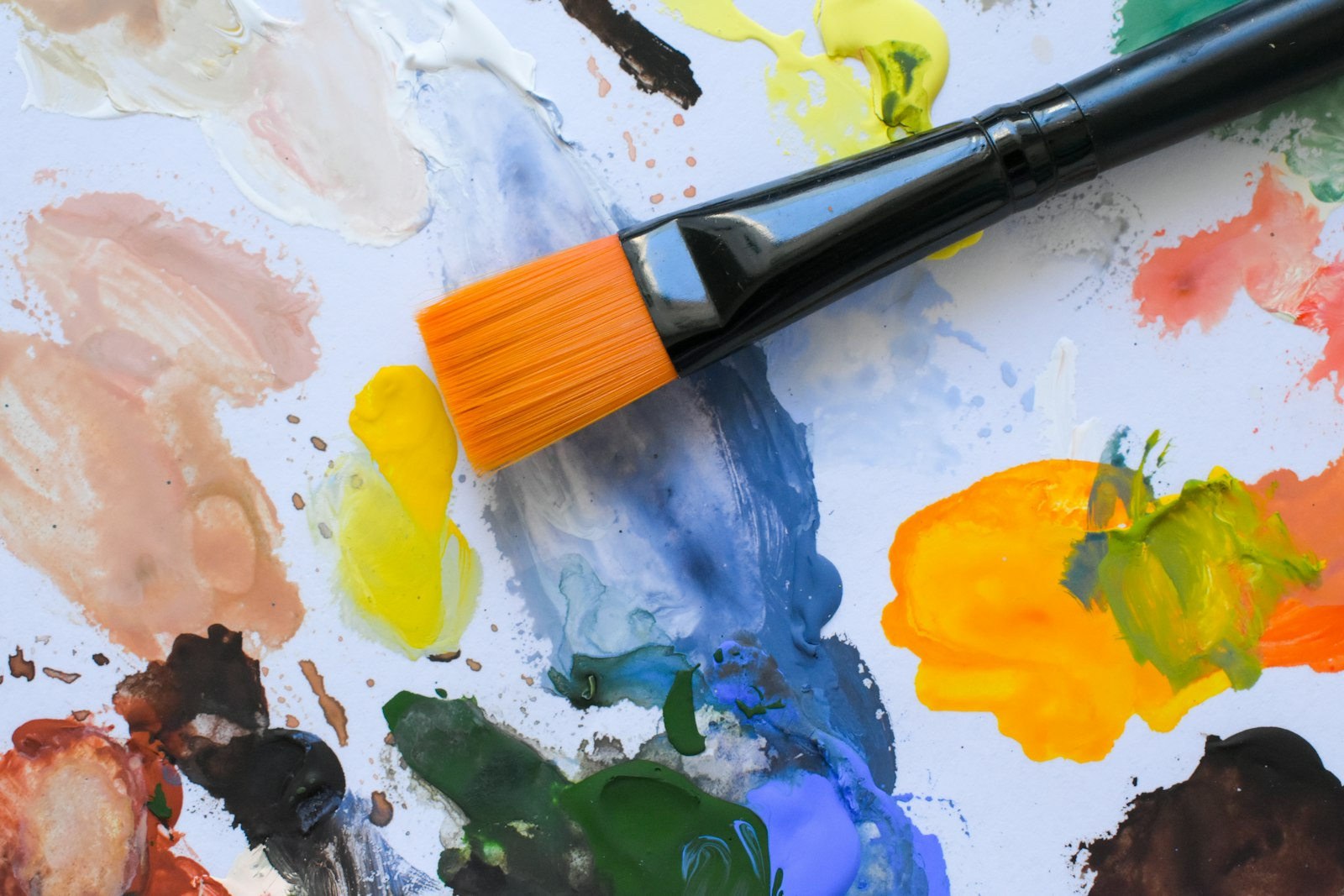
Why making something — anything — might be one of the happiest habits you can build.
Creativity is more than just a spark of genius or an artistic flair; it is a powerful force that significantly influences our emotional well-being and overall happiness. The interplay between creativity and happiness is complex, yet understanding it can lead to profound improvements in our quality of life. This article delves into the deep connection between creativity and happiness, exploring how creative pursuits enhance mental health, provide therapeutic benefits, and offer practical ways to incorporate creativity into daily life for a more joyful existence.
Celebrating Creativity
Creativity is often celebrated for its role in producing groundbreaking art, literature, and innovations. However, its impact extends far beyond these achievements, touching on fundamental aspects of emotional and psychological well-being. The relationship between creativity and happiness is supported by a growing body of research that highlights how engaging in creative activities can lead to significant improvements in mental health, stress reduction, and overall life satisfaction. Creativity can act as a powerful tool for personal growth, self-expression, and emotional resilience. By understanding and harnessing the benefits of creativity, individuals can unlock new pathways to happiness and fulfillment, navigating life’s challenges with a more positive and resilient mindset.
Creative activities—whether they involve art, writing, music, or problem-solving—stimulate the brain’s reward system, release neurotransmitters associated with pleasure, and promote a state of flow. This biochemical response and mental state contribute to a heightened sense of happiness and satisfaction. Additionally, creativity fosters emotional regulation, problem-solving skills, and cognitive growth, all of which enhance overall well-being. By integrating creative practices into daily routines, individuals can experience lasting improvements in their emotional health and find greater joy and purpose in their lives.
The Link Between Creativity and Happiness
The Science Behind Creativity and Happiness
Understanding the science behind creativity and happiness involves exploring how creative activities influence brain function and emotional well-being. Creativity activates key areas of the brain, including the prefrontal cortex, which is responsible for complex thinking and problem-solving, and the limbic system, which governs emotions. Engaging in creative activities triggers the release of dopamine, a neurotransmitter associated with pleasure and reward. This biochemical response enhances feelings of satisfaction and joy, making creativity a natural source of happiness.
Research has demonstrated that participating in creative activities can lead to increased levels of dopamine and reduced levels of cortisol, a hormone related to stress. The release of dopamine during creative expression contributes to positive emotions and a sense of accomplishment. Additionally, creative activities often involve a state of flow, where individuals are fully immersed in the task at hand, leading to enhanced focus and reduced anxiety. This state of flow is linked to increased happiness and well-being, as it promotes a sense of purpose and fulfillment.
Moreover, engaging in creative activities stimulates neural plasticity, which is the brain’s ability to adapt and reorganize itself. This cognitive flexibility allows individuals to approach problems from different angles and develop innovative solutions. The mental stimulation and problem-solving involved in creativity contribute to cognitive growth and emotional resilience. By fostering neural plasticity, creativity helps individuals adapt to new challenges and maintain a positive outlook on life.
🛒 The Creating Brain: The Neuroscience of Genius by Nancy C. Andreasen provides an in-depth exploration of how creativity affects brain function and mental health. Find it on Amazon.
The Therapeutic Benefits of Creative Expression
Creative expression offers numerous therapeutic benefits, making it a valuable tool for managing emotions and enhancing mental health. Art therapy, for example, utilizes creative processes such as drawing, painting, and sculpting to help individuals explore and articulate their feelings. This form of therapy can be particularly effective for processing complex emotions such as trauma, grief, and stress. By engaging in creative activities, individuals can gain insights into their inner experiences, develop coping strategies, and build emotional resilience.
The therapeutic benefits of creativity extend beyond traditional art therapy. Writing, music, and other forms of creative expression provide valuable outlets for self-reflection and emotional processing. Journaling, for instance, allows individuals to document their thoughts and feelings, facilitating self-discovery and personal growth. Writing exercises such as stream-of-consciousness or guided prompts can help individuals gain clarity and release pent-up emotions. The act of writing can also serve as a form of emotional catharsis, promoting a sense of relief and well-being.
Additionally, creative expression fosters a sense of control and achievement, which can enhance overall happiness. When individuals engage in creative activities, they often experience a sense of accomplishment and pride in their work. This sense of achievement contributes to increased self-esteem and personal satisfaction. Creative pursuits also provide opportunities for self-expression and exploration, allowing individuals to connect with their inner selves and find meaning in their experiences.
🛒 Introduction to Art Therapy by Judith A. Rubin explores how creative expression can be used for emotional healing and mental well-being. Available on Amazon.
Practical Ways to Foster Creativity and Enhance Happiness
Incorporate Creative Activities into Your Routine
Incorporating creative activities into your daily routine can significantly enhance your overall happiness and well-being. Simple practices such as journaling, drawing, or crafting provide moments of relaxation and self-expression, which help to alleviate stress and increase joy. Setting aside dedicated time for these activities, even if it’s just a few minutes each day, can create a sense of accomplishment and satisfaction. Regular engagement in creative pursuits fosters a habit of mindfulness and personal growth, contributing to a more positive outlook on life.
Creating a dedicated space for creativity can further enhance its benefits. A well-organized and inspiring environment can make it easier to engage in and enjoy creative activities. Consider setting up a small art studio, writing nook, or crafting area in your home to encourage regular creative practice. Personalizing this space with meaningful objects, colors, and lighting can make it more inviting and motivating, helping you to integrate creativity into your routine more effectively.
Establishing a routine that includes creative activities can also help balance your life and manage stress. For instance, starting or ending your day with a creative practice can set a positive tone and provide a sense of closure. Incorporating creativity into your daily routine offers opportunities for self-reflection and growth, as you explore new ideas and develop your skills over time. This regular practice contributes to emotional stability and personal fulfillment.
🛒 The Art of Creative Thinking by Rod Judkins offers practical tips for integrating creativity into your daily life. Find it on Amazon.
Engage in Collaborative Creative Projects
Collaborating on creative projects provides additional benefits for happiness and personal fulfillment. Working with others fosters a sense of community and shared purpose, enhancing feelings of connection and support. Collaborative creativity allows for the exchange of ideas, feedback, and inspiration, enriching the creative process and leading to more fulfilling outcomes. Whether participating in a group art class, joining a writing group, or collaborating on a DIY project, working with others can boost motivation and satisfaction.
Collaborative creative projects also offer opportunities for learning and growth. Interacting with others who share similar interests can expose you to new techniques, perspectives, and ideas. This exchange of knowledge and skills can enhance your creative practice and contribute to personal development. Additionally, the social aspect of collaborative projects helps build stronger relationships and creates a supportive network, which can positively impact your overall happiness and well-being.
Furthermore, working on collaborative projects can enhance your problem-solving skills and adaptability. By navigating different perspectives and approaches, you can develop a more flexible and innovative mindset. This process of collaboration not only enriches your creative experience but also contributes to your overall personal growth and satisfaction. The support and encouragement from collaborators can also provide valuable motivation and inspiration.
🛒 Creativity, Inc. by Ed Catmull explores how working with others can enhance creativity and personal growth. Find it on Amazon.
Real-Life Examples of Creativity Enhancing Happiness
Personal Stories of Creative Fulfillment
Many individuals have discovered that engaging in creative activities significantly enhances their happiness and overall well-being. For example, Sarah, a busy professional, found solace in painting during her free time. What started as a casual hobby quickly became a source of relaxation and joy, helping her manage stress and gain a sense of accomplishment. Her creative practice not only provided a valuable outlet for self-expression but also contributed to a more positive and fulfilling life. Sarah’s story illustrates how creativity can offer emotional relief and personal satisfaction, improving overall happiness.
Similarly, Mark, an avid writer, joined a local writers’ group to share his work and connect with others. The collaborative environment and constructive feedback from fellow writers enriched his creative experience and boosted his self-esteem. The support and camaraderie from the group contributed to his overall happiness and provided a sense of belonging. Mark’s experience highlights the social and emotional benefits of creative collaboration, demonstrating how shared creative pursuits can enhance personal fulfillment.
Additionally, many well-known figures have spoken about the impact of creativity on their well-being. For instance, author Elizabeth Gilbert has shared how her creative pursuits have been instrumental in her journey toward happiness and fulfillment. Her experiences highlight the transformative power of creativity and its ability to contribute to a more meaningful and joyful life. Elizabeth Gilbert’s reflections offer valuable insights into how embracing creativity can lead to lasting improvements in emotional health and overall happiness.
🛒 Big Magic: Creative Living Beyond Fear by Elizabeth Gilbert offers inspiring stories of individuals who have embraced creativity to improve their lives. Find it on Amazon.
Spark your creative joy
- 🧠 The science: The Creating Brain
- 🎨 Heal through art: Introduction to Art Therapy
- 💡 Think differently: The Art of Creative Thinking
- ✨ Live creatively: Big Magic by Elizabeth Gilbert
🌿 Free: The Creative-Joy Checklist
Small creative habits for a happier, more fulfilled you. Find it free on our printables page →
Create, Connect, Grow
The connection between creativity and happiness is both profound and transformative. Engaging in creative activities offers numerous benefits for emotional and mental well-being, including increased joy, fulfillment, and resilience. By incorporating creativity into your daily routine, participating in collaborative projects, embracing new challenges, and creating a positive environment, you can significantly enhance your sense of happiness and satisfaction.
Creativity not only enriches your personal experience but also contributes to a more connected and positive community. Exploring the recommended books and resources can provide additional insights into the relationship between creativity and happiness, supporting your journey toward a more joyful and fulfilling life. Embracing creativity as a regular part of your life can lead to lasting improvements in your emotional health and overall happiness, helping you to navigate life’s challenges with a more positive and resilient mindset.
By integrating creative practices into your daily life, you can experience the many benefits of creativity, from improved emotional well-being to a deeper sense of purpose. The transformative power of creativity offers a valuable pathway to enhanced happiness and fulfillment, making it an essential component of a healthy and joyful life.